
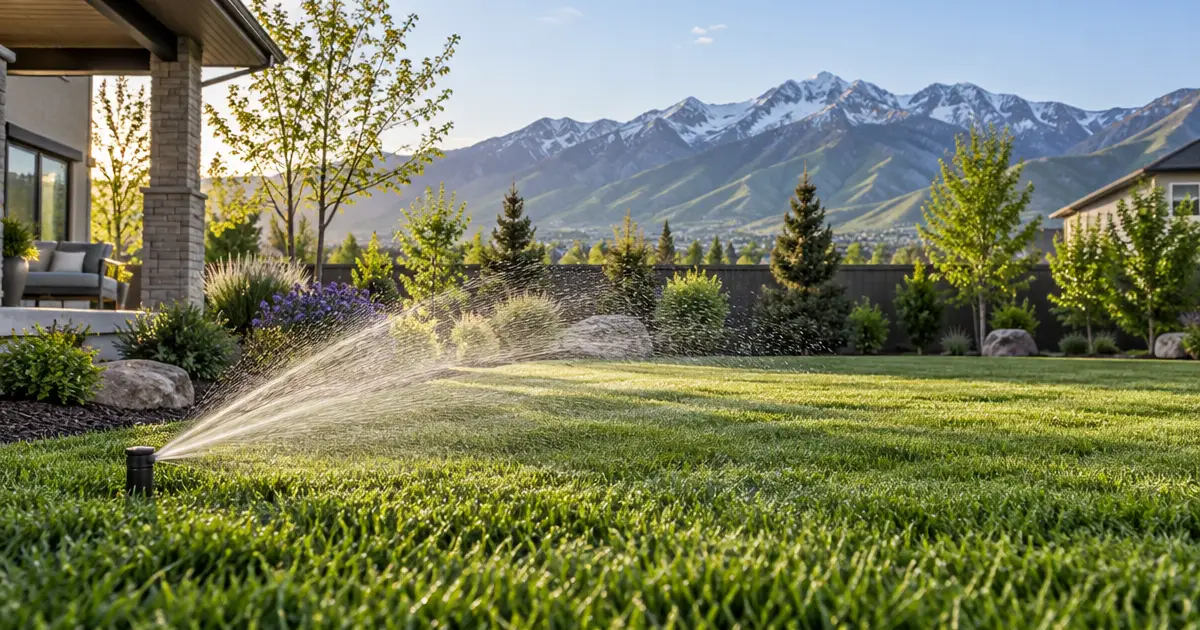
As the snow melts and signs of spring appear across Salt Lake City, a common question for homeowners is when to turn on the sprinklers. For an established lawn, it's best to wait until at least mid-May to begin your spring watering routine. This practice, recommended by local water authorities, helps conserve our vital water resources and encourages your lawn to develop a deeper, more resilient root system.
Understanding Salt Lake City's Unique Climate
Living along the Wasatch Front means dealing with a semi-arid climate where water is a precious commodity. Our spring weather can be notoriously unpredictable, swinging from late-season snowstorms to surprisingly warm, dry spells. This variability makes a fixed watering schedule based on a calendar date unreliable and often wasteful.
By holding off on irrigation in the early spring, you train your lawn's roots to grow deeper in search of moisture remaining in the soil from winter snowmelt. This creates a stronger, more drought-tolerant turf that is better prepared to handle the hot, dry summer months. Starting sprinklers too early encourages shallow root growth, making your lawn more dependent on frequent watering and more susceptible to stress and disease.
Water conservation is a shared responsibility in our community. Adopting smart watering practices not only contributes to the region's water security but also leads to a healthier landscape and lower utility bills for you.
The General Rule: Wait Until Mid-May
Salt Lake City Public Utilities specifically advises residents to delay the start of lawn irrigation until at least the middle of May. This guidance is based on decades of climate data and an understanding of our local ecosystem. Cool spring temperatures and occasional rain showers typically provide enough moisture for established lawns to green up on their own.
To take the guesswork out of watering, the Utah Division of Water Resources provides a fantastic tool: the Weekly Lawn Watering Guide. This resource offers watering recommendations tailored to specific areas, including Salt Lake City. It's updated weekly based on recent weather data, such as precipitation and temperature, giving you the most accurate and timely advice possible.
By following this local guidance, you can be confident that you are watering only when necessary. This simple act of patience prevents water waste from runoff and evaporation, which are common when watering cool, saturated spring soil.
Signs Your Lawn Is Ready for Water
Instead of relying solely on the calendar, learn to read the signs your lawn gives you when it's thirsty. This observational approach is the most effective way to determine when to start watering. Here are a few key indicators to look for:
- The Footprint Test: Walk across your lawn in the afternoon. If the grass blades spring right back up, the turf has plenty of moisture. If your footprints remain flattened for several minutes, the grass is dehydrated and it's time to water.
- Color Change: Well-hydrated grass has a vibrant green color. As turf becomes water-stressed, it will take on a dull, bluish-gray tint. You may notice this color change in patches, often in the sunniest or highest parts of your yard first.
- Curled Leaf Blades: Look closely at the individual blades of grass. When dehydrated, the blades will begin to fold or curl lengthwise in an effort to conserve moisture. This is a clear sign that the lawn needs a drink.
- Dry Soil: Use a screwdriver or a small trowel to check the soil moisture. If you can't easily push a six-inch screwdriver into the ground, the soil is likely too hard and dry, and the roots aren't getting the water they need.
Exceptions to the Rule: New Plants and Trees
While established lawns can wait for water, new plantings are an important exception. Recently installed sod, newly planted trees, and young shrubs have under-developed root systems and require more consistent moisture to get established.
According to research from the USU Extension on planting landscape trees, consistent watering is crucial for new plants, especially if conditions are dry. Don't subject new landscape elements to the same water-stressing techniques as your established turf. These plants may need supplemental hand-watering well before you turn on your main irrigation system. If you've recently invested in new landscaping, developing a separate, more frequent watering plan is essential for protecting that investment.
Properly managing the diverse water needs of a complex landscape can be challenging. This is where professional services like plant material coordination can ensure your new greenery gets the right start in life.
Smart Watering for a Healthy Utah Lawn
Once you've determined it's time to start watering, doing it correctly is just as important as when you start. Applying smart watering techniques will keep your lawn healthy all season long while minimizing water waste.
- Water Deeply and Infrequently: This is the golden rule of lawn care. Watering for longer, less frequent periods encourages deep root growth. Aim to apply about one inch of water per week, spread across two or three watering days, not daily.
- Use the "Cycle and Soak" Method: On sloped areas or with clay-heavy soil, water can run off before it's absorbed. Split your watering run time into multiple shorter cycles with a 30-60 minute pause in between. This allows the water to soak deep into the soil instead of running into the gutter.
- Water at the Right Time: The best time to water is in the early morning, between 4 a.m. and 10 a.m. Watering during the heat of the day leads to significant water loss through evaporation. Evening watering can promote fungal growth, as the lawn stays wet overnight.
- Maintain Your System: Before you start watering for the season, check your sprinkler heads for clogs, leaks, or misalignments. Ensure they are watering the landscape, not the sidewalk or driveway. Adjust as needed to ensure even coverage.
How Professional Landscape Design Can Help
Creating a beautiful, thriving landscape that is also water-wise in Salt Lake City's climate requires careful planning. An expert landscape design considers your property's unique microclimate, soil type, and sun exposure to select the right plants for the right place.
At Alpina Studio, we specialize in creating sustainable and stunning outdoor spaces. Through our landscape consultations, we can help you develop a smart irrigation plan or design a new landscape that incorporates drought-tolerant plants and efficient watering systems from the ground up. By focusing on water-wise principles, we help you create a yard that is both beautiful and resilient, saving you water, time, and money in the long run.
Frequently Asked Questions
When is the best time of day to water my lawn?
The best time to water is in the early morning, generally between 4 a.m. and 10 a.m. This minimizes water loss to wind and evaporation and allows the grass blades to dry during the day, which helps prevent fungal diseases.
How do I know if I'm overwatering or underwatering?
Underwatering is indicated by a bluish-gray color, visible footprints, and dry soil. Signs of overwatering include a constantly squishy or soggy lawn, yellowing grass blades, runoff, and the presence of mushrooms or other fungal growth.
Do different types of grass have different watering needs?
Yes. Kentucky Bluegrass, which is very common in Utah, is a cool-season grass that requires more water than drought-tolerant species like turf-type Tall Fescue or native grasses. A landscape professional can help you choose the right grass type for your yard and water budget.