
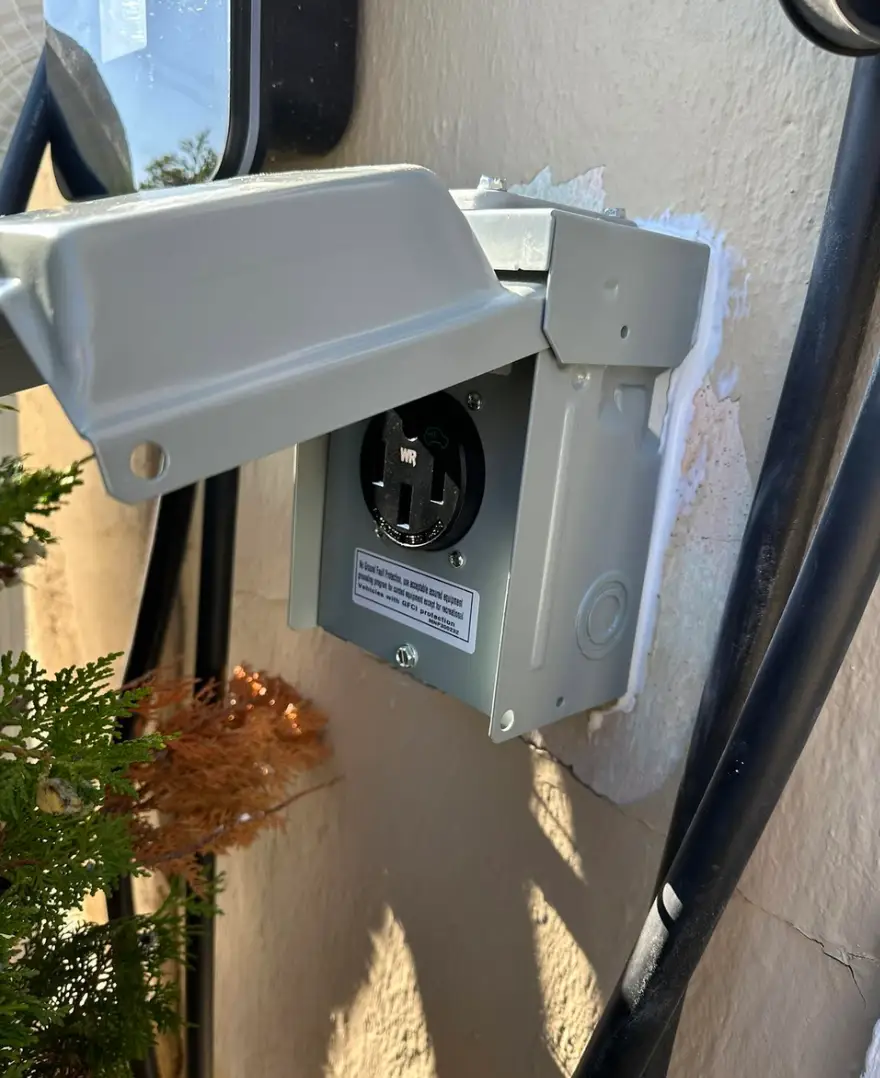
Yes, preparing your outdoor outlets in Rancho Cordova, CA before the winter storms arrive requires three main things: working GFCI protection, weather-resistant receptacles, and intact in-use weatherproof covers. When rainwater gets inside an unprotected exterior receptacle, it can trip circuit breakers, damage plugged-in holiday lighting or patio appliances, and create serious shock or fire hazards. Checking and upgrading your exterior electrical outlets before the heavy winter rain arrives is the simplest way to keep your home safe and powered all season.
Why Rainy Season Prep Matters for Outdoor Outlets in Rancho Cordova, CA
For much of the year, the Sacramento Valley enjoys dry, sunny weather, which makes it easy to forget about the electrical boxes mounted on your stucco, siding, or patio posts. However, local climate records from Visit Rancho Cordova show that December and January are among the wettest months in our area, bringing steady rain and gusty winter storms. Those months also happen to be the exact time when homeowners plug in outdoor holiday decorations, landscape lighting, fountain pumps, and patio heaters.
Years of intense summer sun can bake plastic outlet covers and rubber gaskets, leaving them brittle or cracked by the time fall arrives. Once winter storms roll through Rancho Cordova, wind-driven rain can easily work its way past broken lids or worn seals. Inspecting your exterior electrical setup in the fall or early winter ensures moisture stays out of your home's wiring when the rain starts falling.
Essential Safety Features Every Exterior Outlet Needs
Modern electrical codes have come a long way in protecting homeowners from outdoor electrical hazards. If your home in Rancho Cordova is more than a couple of decades old, or if an exterior receptacle has not been updated recently, it may be missing one or more critical defenses against water intrusion. When we perform professional outdoor outlet installation, we focus on three essential components that work together to keep water and electricity separated.
GFCI Protection Against Shock Hazards
A Ground Fault Circuit Interrupter (GFCI) is your primary defense against electrical shock outdoors. According to the Consumer Product Safety Commission home electrical safety checklist, all outdoor receptacles should have GFCI protection and weatherproof covers to help prevent fire and shock hazards caused by moisture. A GFCI constantly monitors the flow of electricity through a circuit and shuts off power in a fraction of a second if it detects current leaking through water or a person.
Sometimes GFCI protection comes directly from a receptacle with "TEST" and "RESET" buttons on the face of the outlet. In other homes, an outdoor outlet might be wired downstream from a GFCI outlet located inside the garage, a bathroom, or at the main electrical panel. Regardless of how it is set up, that protection must function properly before wet weather hits.
In-Use Weatherproof Bubble Covers
Older homes often have flat metal or plastic flip covers over their exterior outlets. While those flat spring-loaded doors help keep rain out when nothing is plugged in, they must stay propped wide open the moment you plug in a cord for string lights or a leaf blower.
Under California safety regulations for wet and damp locations, outdoor receptacles in wet locations require an enclosure that remains weatherproof whether or not the attachment plug cap is inserted. Electricians call these in-use covers or "bubble covers." They feature a deep, hinged dome that closes completely over the plug head while allowing the cord to exit cleanly through a bottom notch, keeping rain off the live prongs at all times.
Weather-Resistant (WR) Receptacles
Even behind a closed cover, outdoor outlets face damp air, morning fog, and shifting temperatures. Standard indoor outlets use metal components that can corrode in humid outdoor conditions and plastic housings that degrade under UV exposure. Modern outdoor installations use Weather-Resistant (WR) receptacles, which are built with corrosion-resistant metal parts and UV-stabilized plastic to withstand the elements year after year.
How to Inspect Your Outdoor Outlets Before the Storms Arrive
You do not need specialized tools to do a quick visual and functional check of the outlets around your yard, porch, and driveway. Walk the perimeter of your home on a dry day and follow these simple steps:
- Examine the outer cover and gasket: Open and close the cover to make sure the hinge and latch work smoothly. Check the foam or rubber gasket between the box and the wall to confirm it is not dry-rotted or peeling away.
- Look inside the receptacle slots: Make sure all power cords are unplugged, and look closely at the faceplate. You should not see dirt, spiderwebs, rust, scorch marks, or cracked plastic.
- Test the GFCI mechanism: Press the "TEST" button on the GFCI outlet. You should hear a crisp click, and power to the outlet should shut off completely. Press "RESET" to restore power. If the button refuses to pop out or will not reset, the device needs replacement.
- Check the mounting stability: Gently press on the outlet box with your hand. It should feel firmly attached to the wall or post, with no gaps where rainwater running down the exterior wall could seep behind the box.
Warning Signs Your Exterior Outlets Need Professional Repair
If you notice anything unusual during your walkthrough, it is best to stop using that receptacle until a professional can take a look. Schedule electrical troubleshooting if you spot any of the following warning signs:
- Frequent tripping: A GFCI outlet or circuit breaker that trips every time it rains or whenever morning dew settles on the patio usually points to moisture inside the box or along the wiring.
- Discoloration or melting: Brown, black, or melted spots around the plug slots indicate overheating, arcing, or a loose wire connection.
- Loose plug tension: If a power cord falls halfway out of the outlet on its own, the internal contact blades are worn out and can create dangerous heat buildup.
- Missing or broken covers: Any outdoor outlet missing its lid or still relying on an outdated flat cover in an area exposed to rain needs an upgrade before you plug in seasonal items.
- Buzzing or sparking: Hearing a faint crackle or seeing a spark when plugging in an outdoor appliance is an immediate sign to shut off the circuit.
If you are unsure about the age or condition of your home's outdoor circuits, a thorough electrical inspection can identify hidden moisture entry points and outdated wiring before they cause winter power outages.
Schedule Your Outdoor Outlet Inspection in Rancho Cordova
Getting your exterior electrical system ready before the heaviest December and January rain arrives gives you peace of mind all winter. Whether you need a broken cover replaced, a dead GFCI swapped out, or brand-new weatherproof outlets installed for your patio or holiday lights, our team serving Rancho Cordova, CA is ready to help.
At Lux Dei Electric, our 5-star rated team handles everything from quick outlet repairs to complete panel and wiring upgrades across the greater Sacramento area. You can even claim 10% off your next project or fill out our online project estimate form to get started. If we have already helped around your home, we always appreciate hearing about your experience on our Google review page or our customer feedback page.
You can also keep up with our latest local projects and seasonal electrical tips on Facebook and Instagram. To book your inspection or outlet installation before the next storm, contact Lux Dei Electric today or call us at (916) 879-2995.
Frequently Asked Questions
Why does my outdoor GFCI outlet keep tripping when it rains?
An outdoor GFCI trips during rain because moisture is entering the electrical box, the receptacle, or a cord plugged into it, creating a small current leak to the ground. Replacing worn gaskets, upgrading to an in-use bubble cover, or elevating outdoor extension cord connections off the wet ground usually solves the problem.
Can I leave holiday lights plugged into an outdoor outlet during a rainstorm?
Yes, provided the outlet is GFCI-protected, the lights and cords are rated for outdoor use, and the plug is housed inside an in-use weatherproof bubble cover that closes completely while the cord is plugged in. If your outlet only has a flat flip lid that stays open when a cord is attached, rainwater can reach the live plug blades.
How often should I test my outdoor GFCI outlets?
Safety experts recommend testing GFCI outlets once a month and especially before plugging in seasonal items for the winter rainy season. Simply press the "TEST" button to confirm power shuts off, then press "RESET" to restore power.
What is the difference between a standard outlet and a weather-resistant (WR) outlet?
A weather-resistant (WR) outlet is constructed with UV-stabilized plastic that will not become brittle in the sun and corrosion-resistant metal components that resist rust in damp conditions. Standard indoor outlets lack these materials and wear out quickly when installed outside.